
Search Chippewa County DUI Records
Chippewa County DUI Records usually begin with a WCCA search, then move to the clerk of circuit court if you need the actual file or a certified copy. The county courthouse in Chippewa Falls brings the main court offices together, including the clerk, district attorney, sheriff, and register in probate. That matters when a DUI or OWI matter is part of a bigger case history. This page keeps the county contacts, copy rules, and statewide driving-record tools in one place so you can move from a name search to the right office without guessing.
Chippewa County Overview
Chippewa County Clerk of Circuit Court
The Chippewa County Clerk of Circuit Court is at 711 North Bridge Street, Chippewa Falls, WI 54729-1876. The office phone is (715) 726-7758, and the civil clerk extension is 5. That office is the main source for court copies and local records help when a Chippewa County DUI record needs more than an online docket check. Public terminals are available at the courthouse at no charge, so a visitor can confirm a case without paying for the first look.
The courthouse location also houses the District Attorney, Sheriff's Office, and Register in Probate. That setup makes it easier to see how the record is filed, prosecuted, and stored. The clerk's office handles plain copies and certified copies under state fee rules, while the full file stays with the court. If you need the record for another agency, the clerk is the office that can give you the paper copy.
The Wisconsin statute that governs operating while intoxicated is part of the basic record context too. The manifest includes a state statute image tied to Wis. Stat. § 346.63, which is the statute most people end up reading after they find a DUI docket.
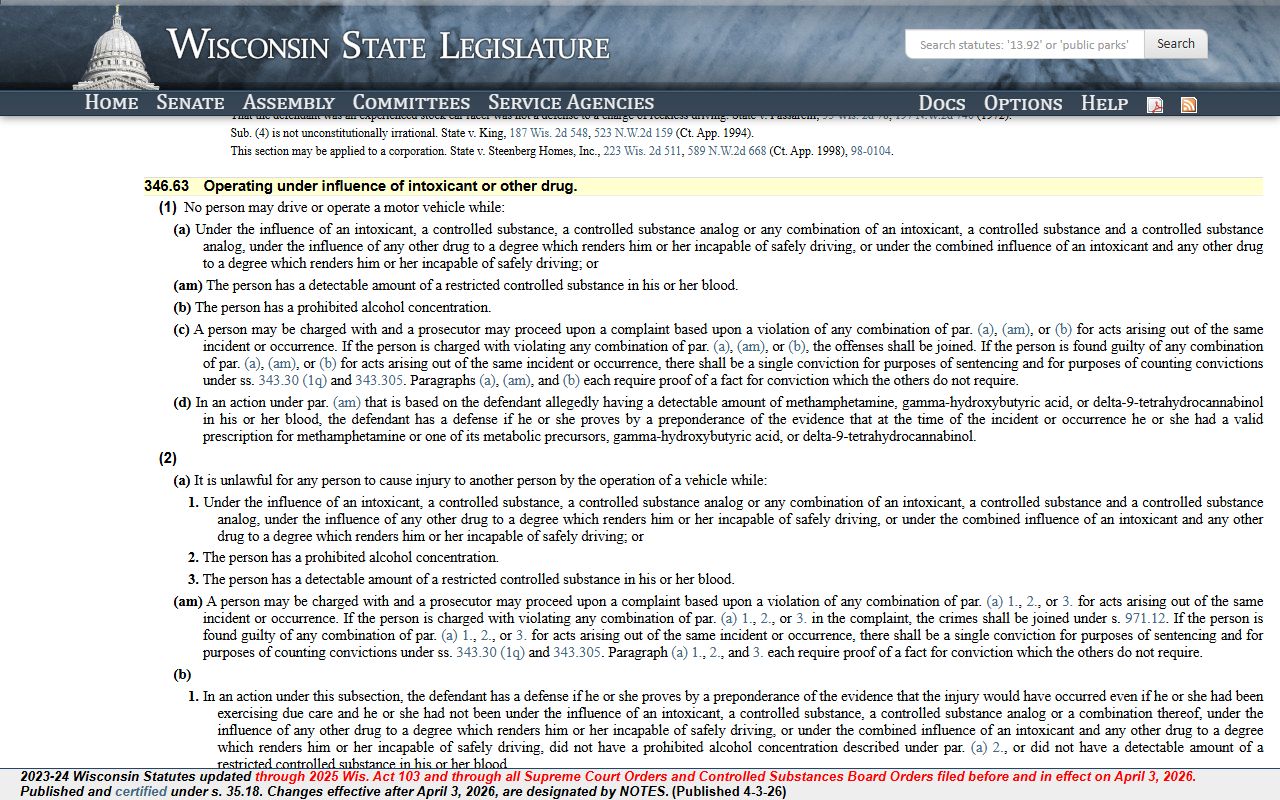
That image is useful because it points to the controlling OWI law, not just the local file. It helps frame the county record in the larger Wisconsin case structure.
How Chippewa County DUI Searches Work
The first search tool is Wisconsin Circuit Court Access. WCCA gives free public access to case summaries, docket entries, party details, and hearing history for circuit court cases in all 72 counties. For Chippewa County DUI records, that means you can check whether a case was filed, which court handled it, and whether it is still open. Searches work by party name, business name, case number, or date range.
WCCA does not show full documents. It shows the docket and case status. If you need the complaint, judgment, or another filing, the clerk of circuit court keeps the official file. That distinction matters. A docket search is fast, but the courthouse file is the record that can be copied and certified. Cases filed after July 1, 2001 usually have fuller electronic data, while older cases can be thinner.
Chippewa County also keeps public terminals at the courthouse for free WCCA viewing. That is useful if you want a quick check without a paid request. The manifest also includes the state court-access image tied to WCCA, which fits the first step of almost any county DUI search.
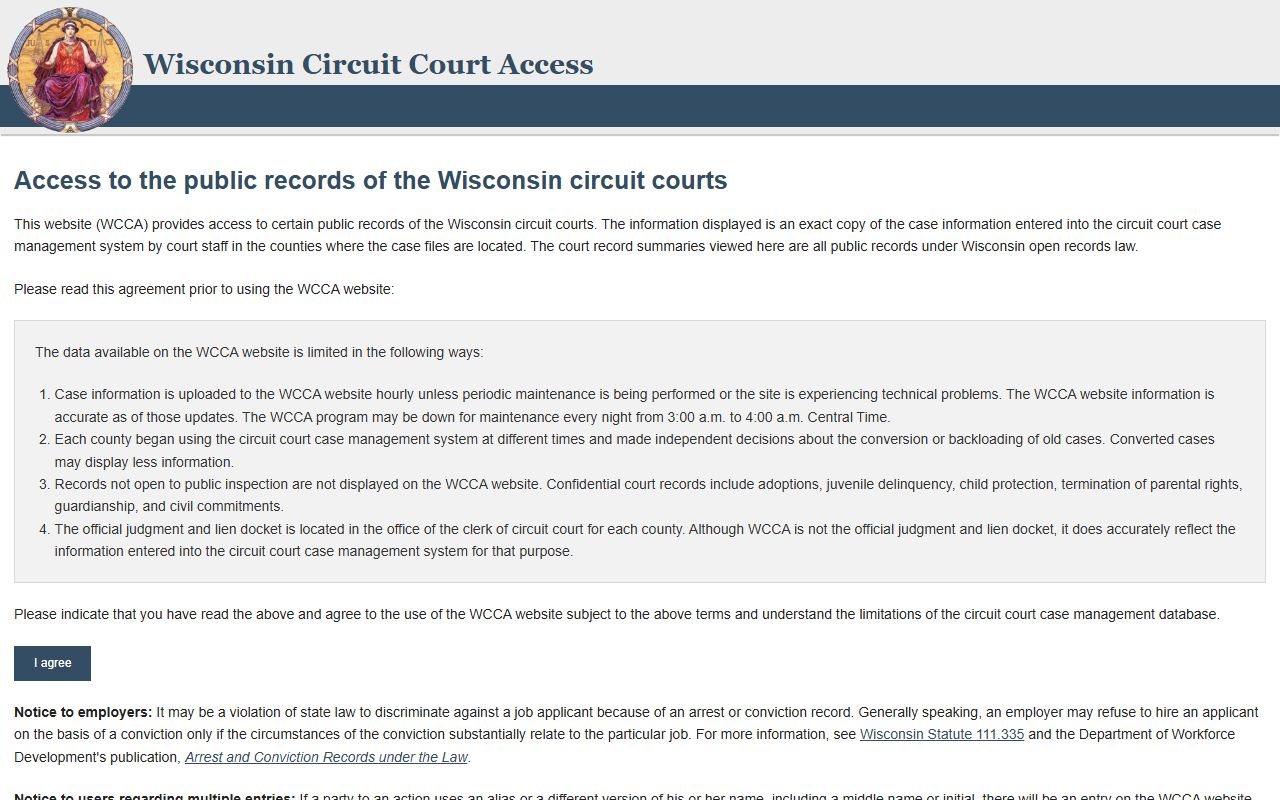
Use WCCA to find the case, then move to the clerk for the file. That is the cleanest path when you need a local record that matches the statewide docket.
The manifest also includes the Wisconsin eCourts portal image tied to the state self-help system at Wisconsin Court System eCourts. That is useful when a DUI case has moved past lookup and into filing, forms, or clerk contact work.
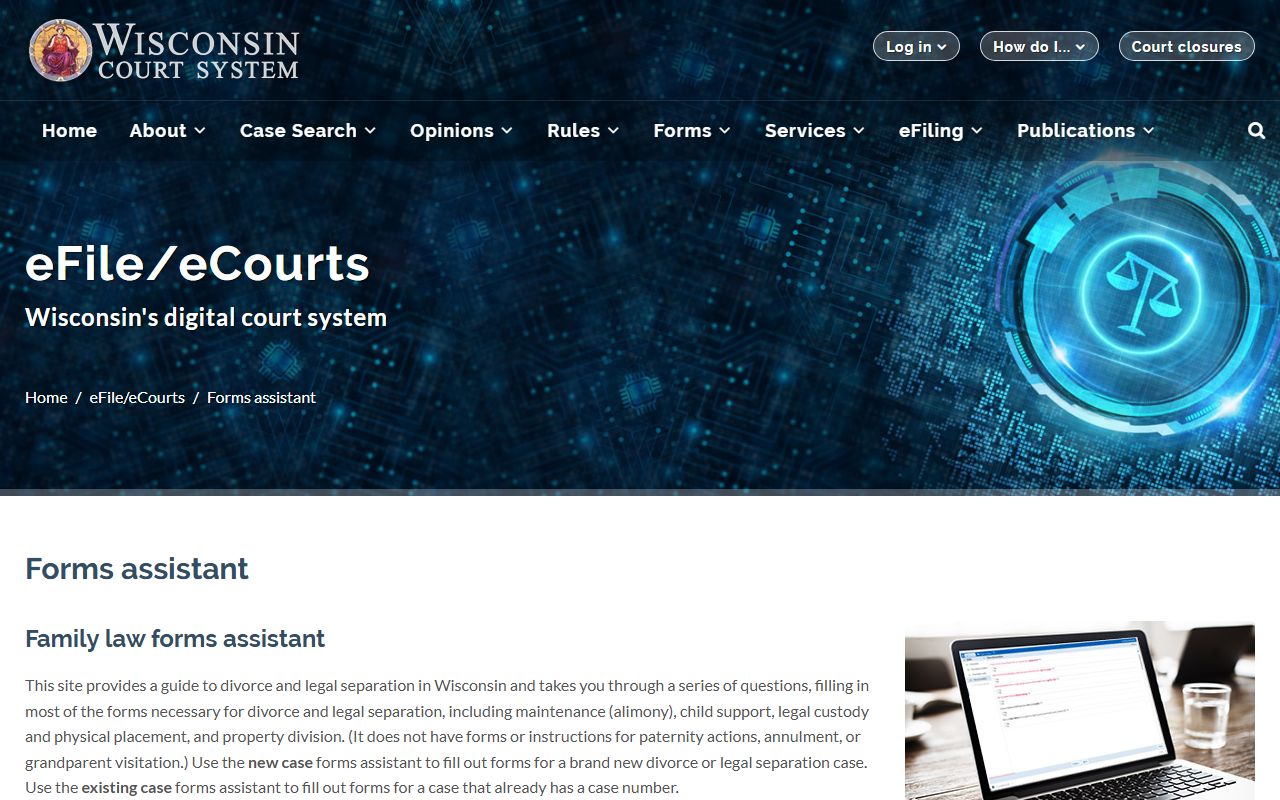
That portal does not replace the clerk or WCCA. It helps you navigate the process after you identify the case and need the next document or form.
Chippewa County Fees and Copies
Chippewa County uses the statewide copy fee rules that show up in the research: $1.25 per page for plain copies and $5.00 per certified copy. Those numbers matter if you need a judgment, a docket printout, or another court document for a DMV issue, insurance question, or another court file. The county office can also point you to the right file if you are not sure which case entry you need.
Because the courthouse offers free terminals, some people can confirm the case before paying for copies. That is a practical first step. If you already know the case number, the office can move faster. If you only have a name, the clerk may need a little more context to find the right DUI record in a file with a common surname or an older traffic case.
The manifest includes the WisDOT driving-record request image tied to WisDOT driving record requests. That image matters because a court file and a driving record are related, but they are not the same document.
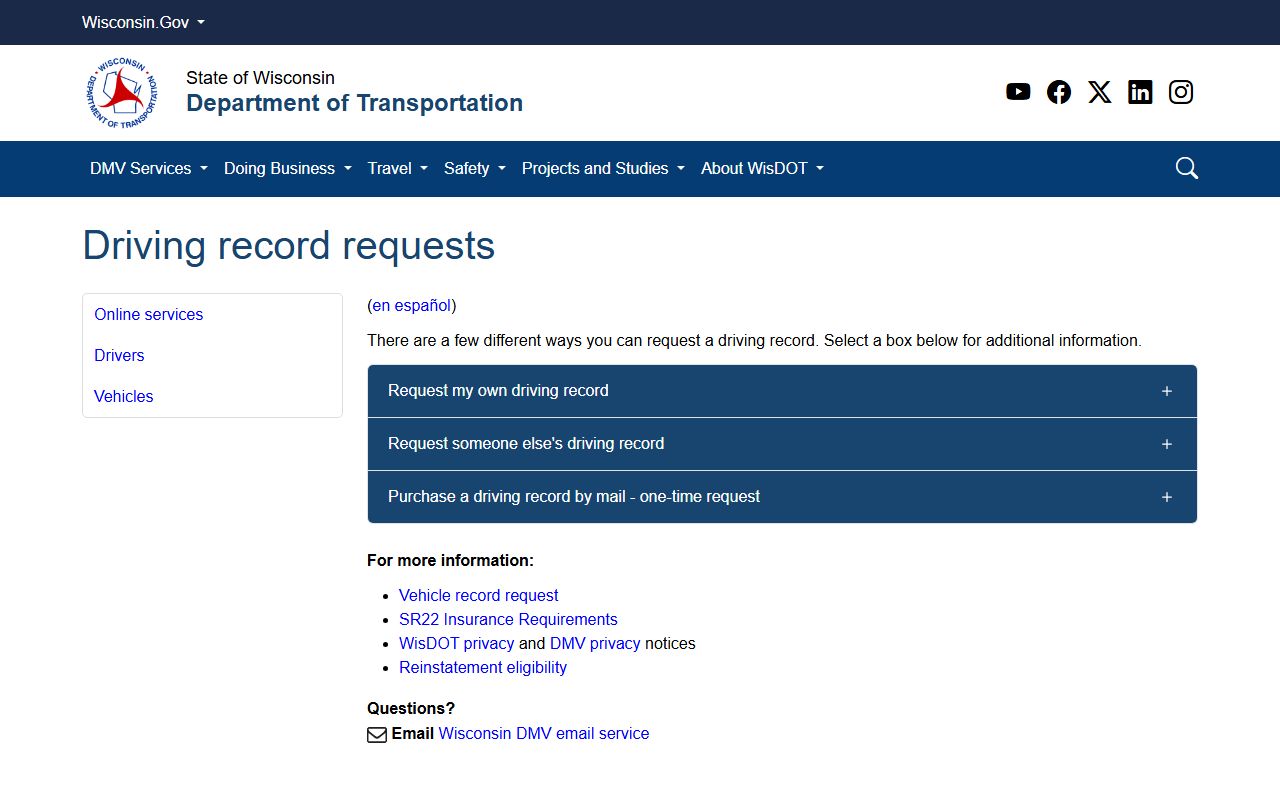
Use the county clerk for the court record and WisDOT for the license history. That split keeps the search grounded and prevents you from asking the wrong office for the wrong document.
Driver Records and OWI History
Wisconsin driving records contain the driver's license history, including traffic violations, suspensions, revocations, and OWI convictions. The DOT keeps the record for at least five years, and OWI convictions remain on the record for life, with a minimum retention period of 55 years. The DOT charges $5 per record when you request it online or by mail. Third-party requesters need the driver's written consent on the MV2896 form.
That matters because a Chippewa County DUI case can create both a court record and a DOT record. The court file tells you what happened in the case. The DOT record tells you what happened to the license. If an implied-consent refusal or OWI conviction triggered a revocation, the state suspension page explains the license side of the result.
The manifest also includes the WisDOT OWI suspension image tied to WisDOT OWI suspension information. That page covers revocation periods, occupational licenses, SR22 requirements, and reinstatement steps.
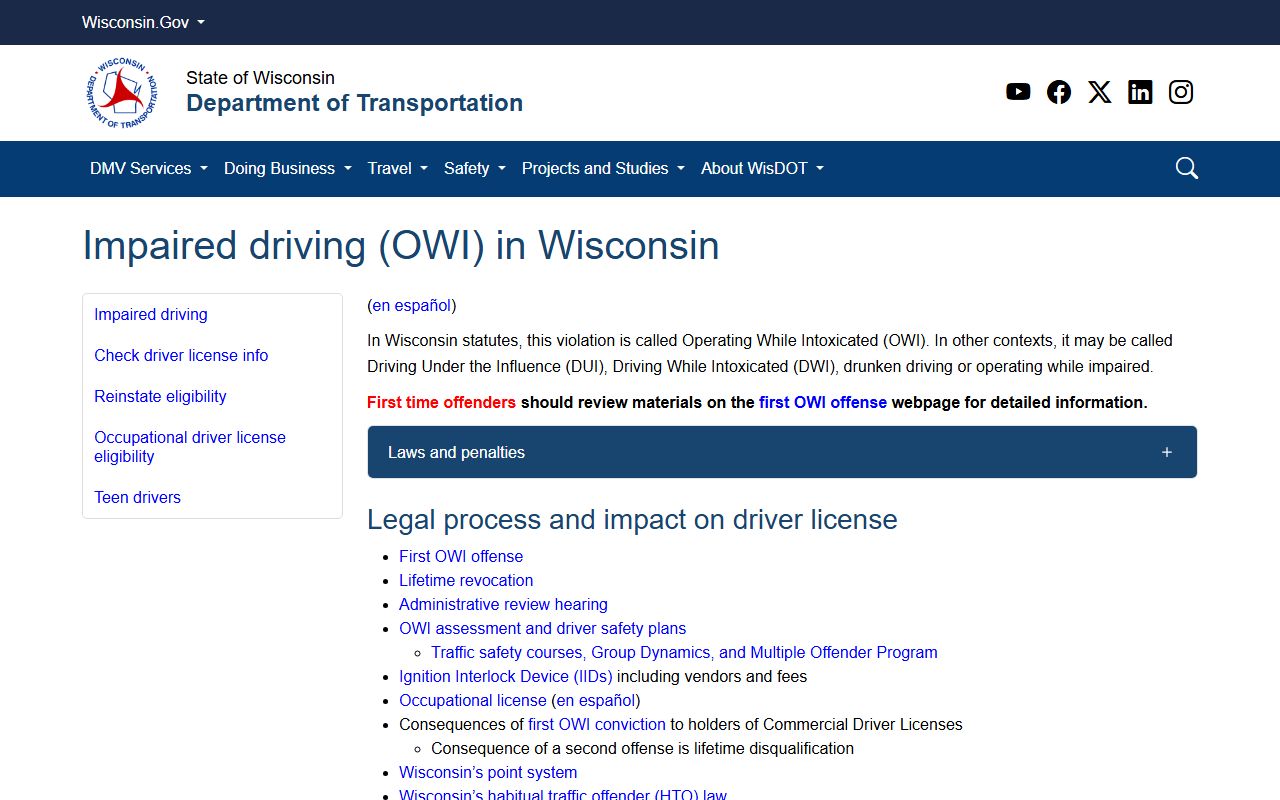
If you are sorting out the aftereffects of a conviction, the DOT page is the better companion to the court docket. It shows the driver's side of the record in a way the county file cannot.
The manifest also includes the crash-records image tied to WisDOT crash records system. That is useful when a DUI arrest was tied to a traffic crash or when you need the report that followed the stop.
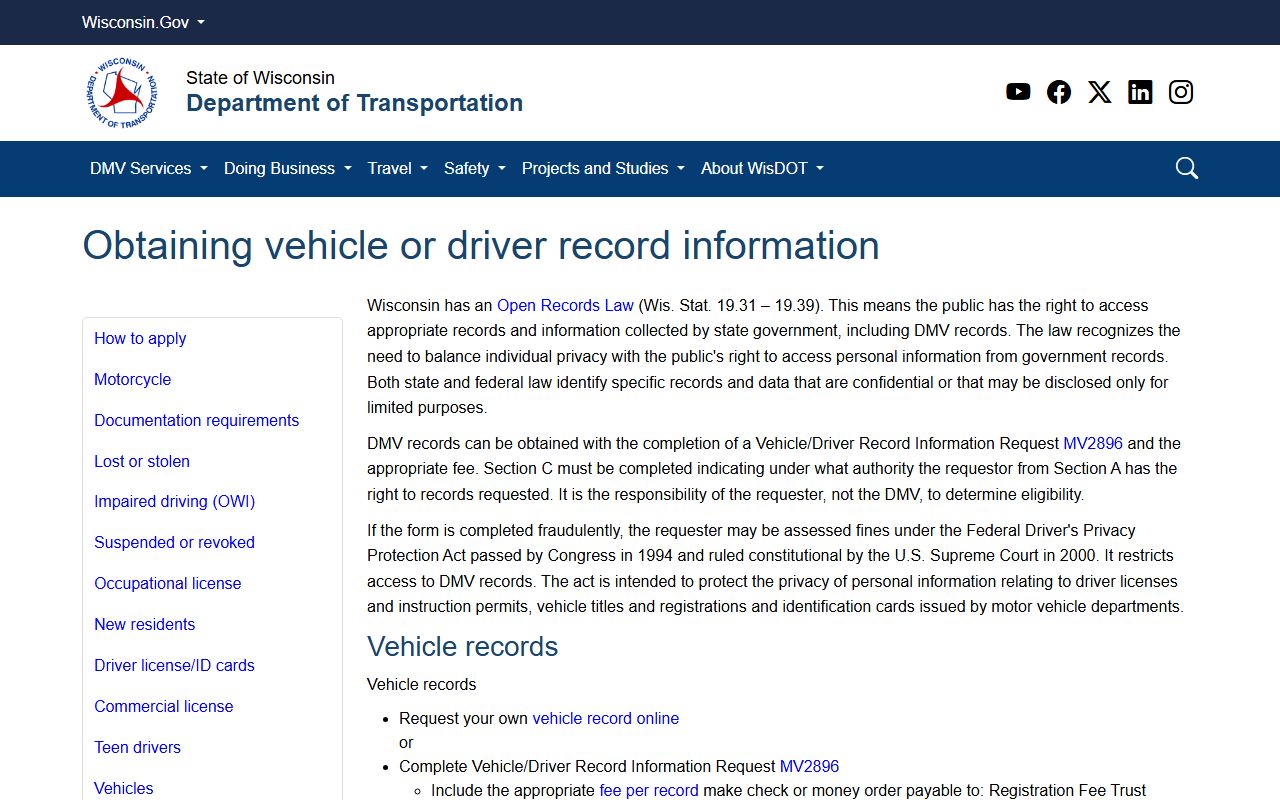
Crash reports can sit beside a DUI case even when the criminal docket and the driving record are separate. They often help explain why the case started in the first place.
Chippewa County Local Help
Chippewa County's local offices matter once a search turns into a real records request. The District Attorney at 711 North Bridge Street handles criminal prosecutions, including OWI cases. The Sheriff's Office at 32 E. Spruce Street handles patrol, investigations, jail operations, and public records requests for arrest reports and incident reports. The Register in Probate at 711 North Bridge Street, Room 203, handles probate, guardianships, adoptions, and civil commitments. Those offices all touch the broader record system, even though the clerk still holds the circuit court file.
The Wisconsin State Law Library and the state criminal records systems are useful when you need to read around the case, not just the docket. The manifest includes the drunk-driving resource image tied to Wisconsin State Law Library Drunk Driving. That page is the cleanest state-level legal research starting point for OWI law.
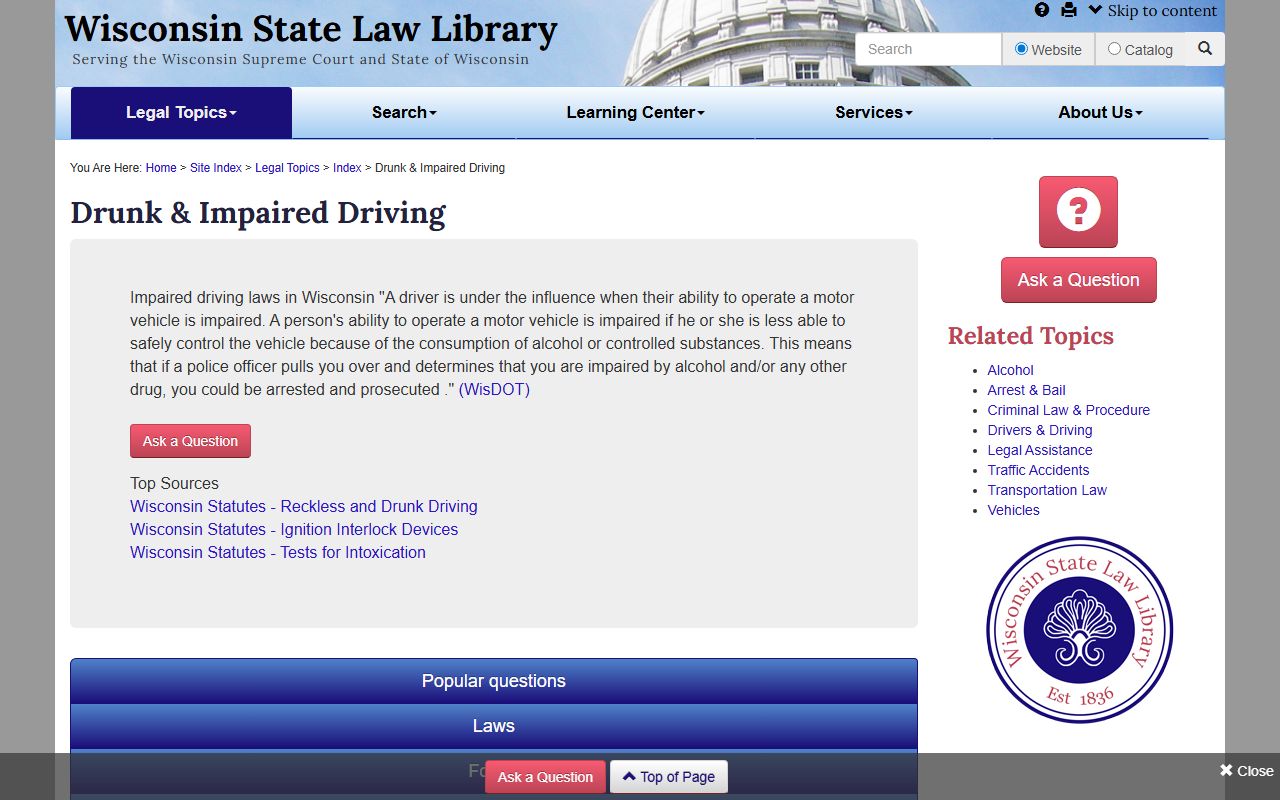
It is a better fit than a generic search page because it points to the statutes, forms, and legal references that come up after the record search ends.
The manifest also includes the DOJ prosecution-guidelines image tied to Wisconsin DOJ OWI prosecution guidelines and the DOJ criminal-history image tied to DOJ Crime Information Bureau. Those resources help when a Chippewa County case is part of a broader background or charging review.
Use the DOJ materials for context. They do not replace the county file, but they do explain how the case fits the state system.
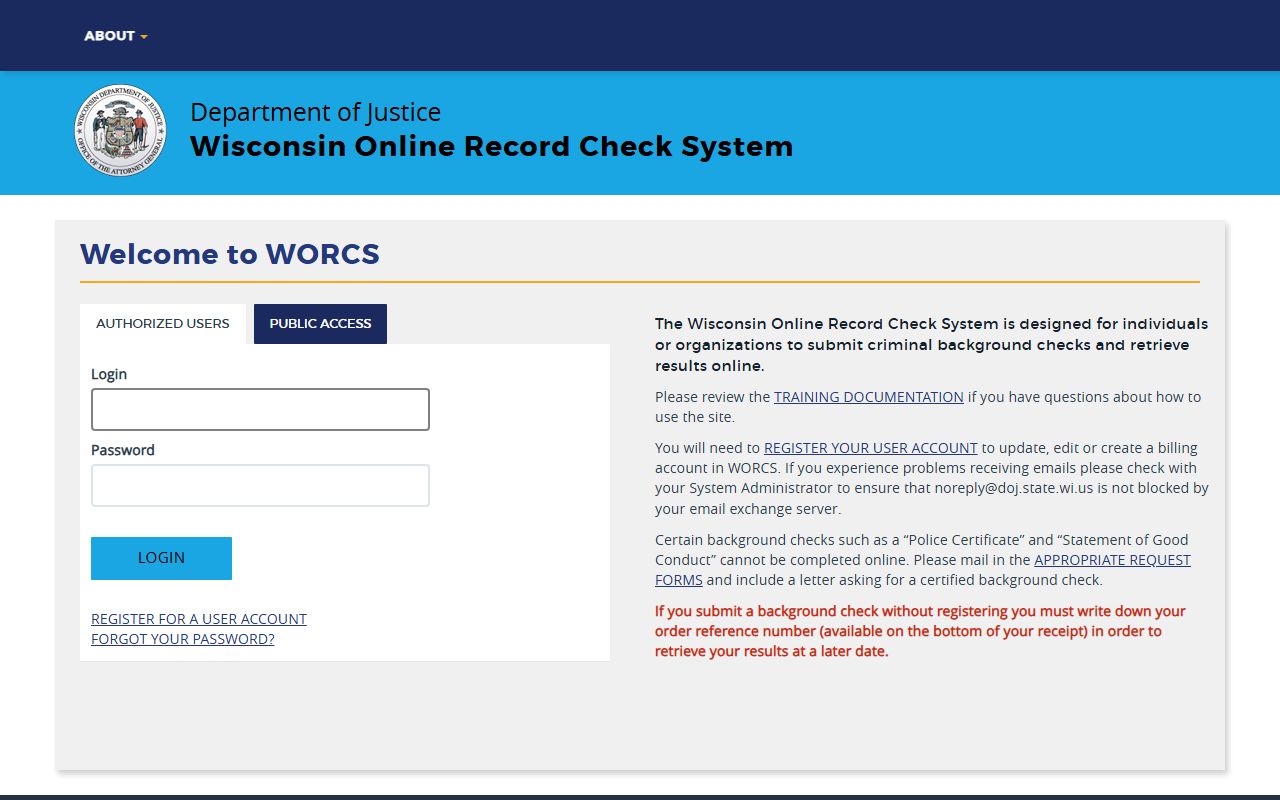
The Crime Information Bureau is the central criminal-history source, so it is useful when a DUI search expands into a wider records check.
The manifest also includes the Wisconsin State Patrol DUI enforcement image tied to Wisconsin State Patrol DUI enforcement. It is a good final reference when the case began with a traffic stop on a state road or highway.
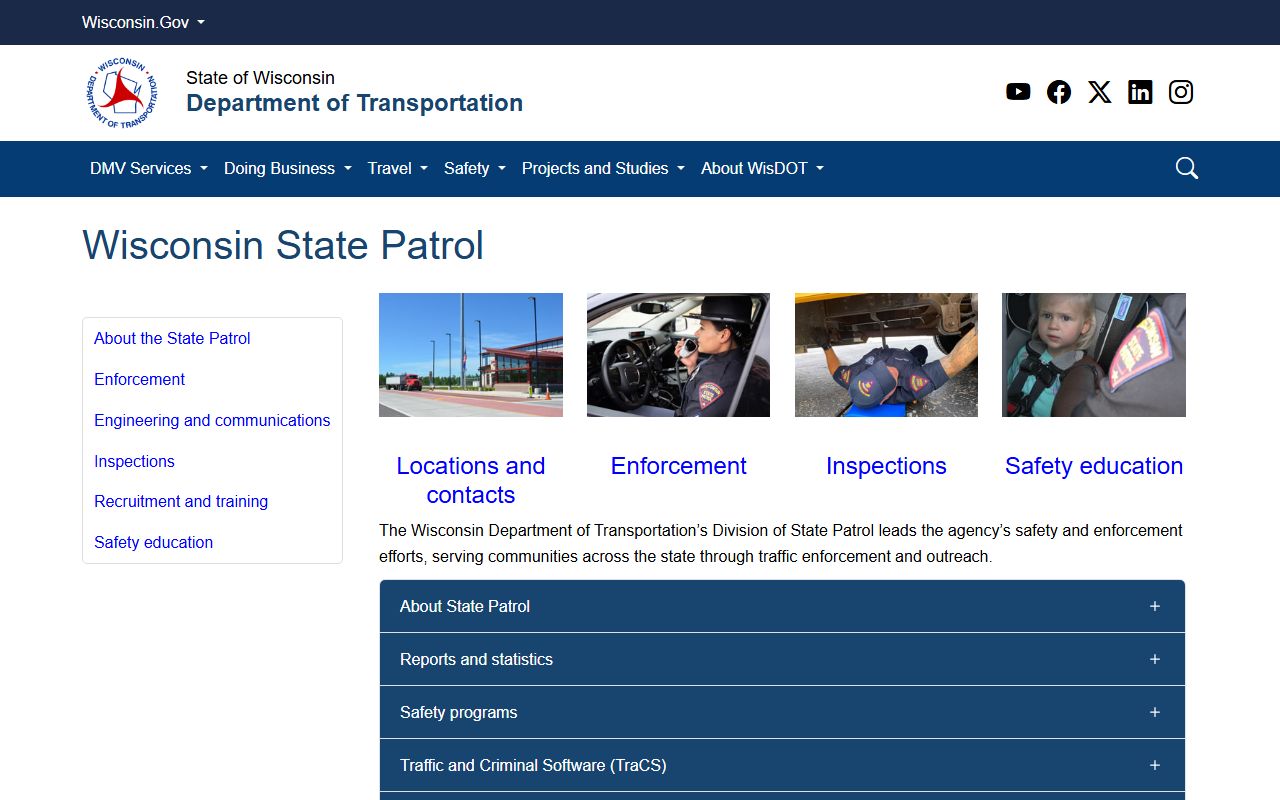
That image closes the loop between the stop, the court file, and the driver record. It is the enforcement side of the same story.