
Marquette County DUI Records Lookup
Marquette County DUI Records often begin with WCCA, then move to the clerk of courts when you need the file, the payment record, or a certified copy. That path matters because the docket, the court file, and the DOT driving record are not the same thing. Marquette County also has a treatment court, so some cases move through more than one local process before they close. This page keeps the county offices and the state tools together so you can confirm the case, find the right office, and understand what kind of record you are actually asking for.
Marquette County Overview
Marquette County Clerk of Courts
The Marquette County Clerk of Courts processes criminal, DNR and ordinance forfeitures, traffic, family matters, large civil, small claims, and restraining order actions. The office also processes fines, fees, and restitution payments. For a Marquette County DUI record, that matters because the court file is where you see the charge path, the hearing trail, and the final outcome. WCCA can show you the docket, but the clerk is the office that can confirm whether a paper file exists and whether a copy can be issued.
The clerk's office also handles license suspensions and arrests for failure to pay fines. That is a local detail that changes the shape of a DUI search, because some record requests are not about the offense itself. They are about what the offense or a later payment problem caused. Marquette County also says a Treatment Court operates in the county, and small claims procedures are available online. Those pieces show that the clerk's office sits at the center of the county record trail, not at the edge of it.
The manifest includes the county government page tied to Marquette County Government. It is the best local marker for the clerk section and the office that manages the county circuit court file.
Use that reference when you need the local courthouse path rather than a docket summary.
How Marquette County DUI Searches Work
The first statewide search tool is Wisconsin Circuit Court Access. WCCA gives free public access to case summaries, docket entries, and party details for Marquette County circuit court matters. It includes criminal OWI cases, civil matters, family court, and traffic violations. You can search by name or case number and quickly see whether the case is open, closed, or still moving through the court. That makes it the best first step when you want to confirm that a Marquette County DUI record exists before you call the clerk.
WCCA is a docket system, not a full document archive. It shows the history of the case, but not the full filings. If you need the complaint, the judgment, or a certified copy, the clerk of courts keeps the official file. Cases filed after the CCAP rollout usually have fuller electronic detail, while older cases may be limited. The safest search sequence is simple. Look at WCCA first, then use the clerk's office for the file itself.
The manifest also includes the state WCCA image tied to Wisconsin Circuit Court Access. That image fits the start of the search path.
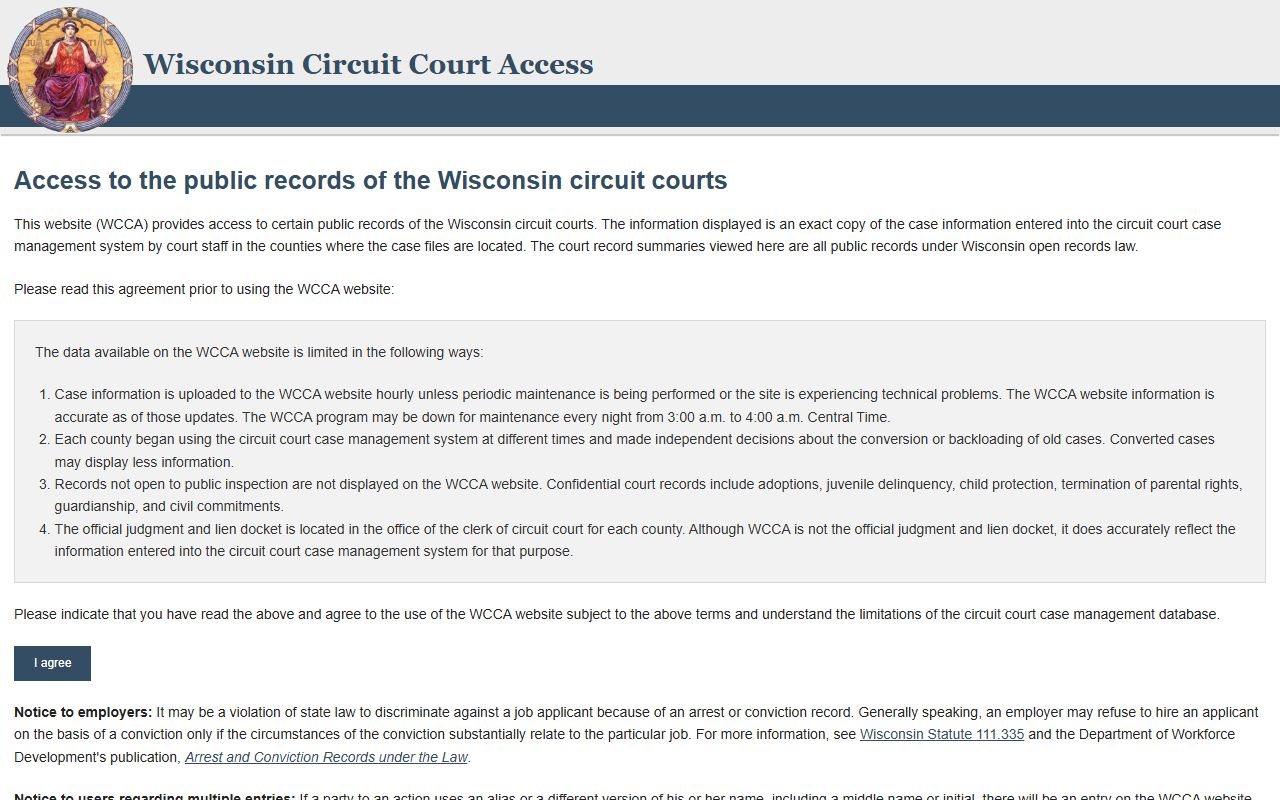
Use the docket to identify the case, then move to the clerk when you need the paper record or a certified copy.
The manifest also includes the eCourts portal image tied to Wisconsin Court System eCourts. That resource helps when the search turns into a forms question or a filing question.
For self-represented users, eCourts is the bridge between the public docket and the forms that follow.
Marquette County Fees and Copies
Marquette County's research does not list a special public copy fee schedule, so the practical move is to confirm cost with the clerk before you send money or drive in. The office processes fines, fees, and restitution, and it maintains record searches. That means the clerk can usually tell you whether you need a plain copy, a certified copy, or just a docket reference for another office. A DUI search is faster when you know which of those three you actually need.
Some Marquette County cases are not about the offense alone. License suspensions and arrests for failure to pay fines are also handled by the clerk. That matters when someone is checking a docket after a missed payment or a past traffic matter. The record request can change from a court copy to a payment status question very quickly. When that happens, the clerk's office is still the right place to start because it keeps the case history and the payment trail in the same county system.
The manifest also includes the WisDOT driving-record request image tied to WisDOT driving record requests. That matters because the court file and the driver history are separate records even when they come from the same DUI event.
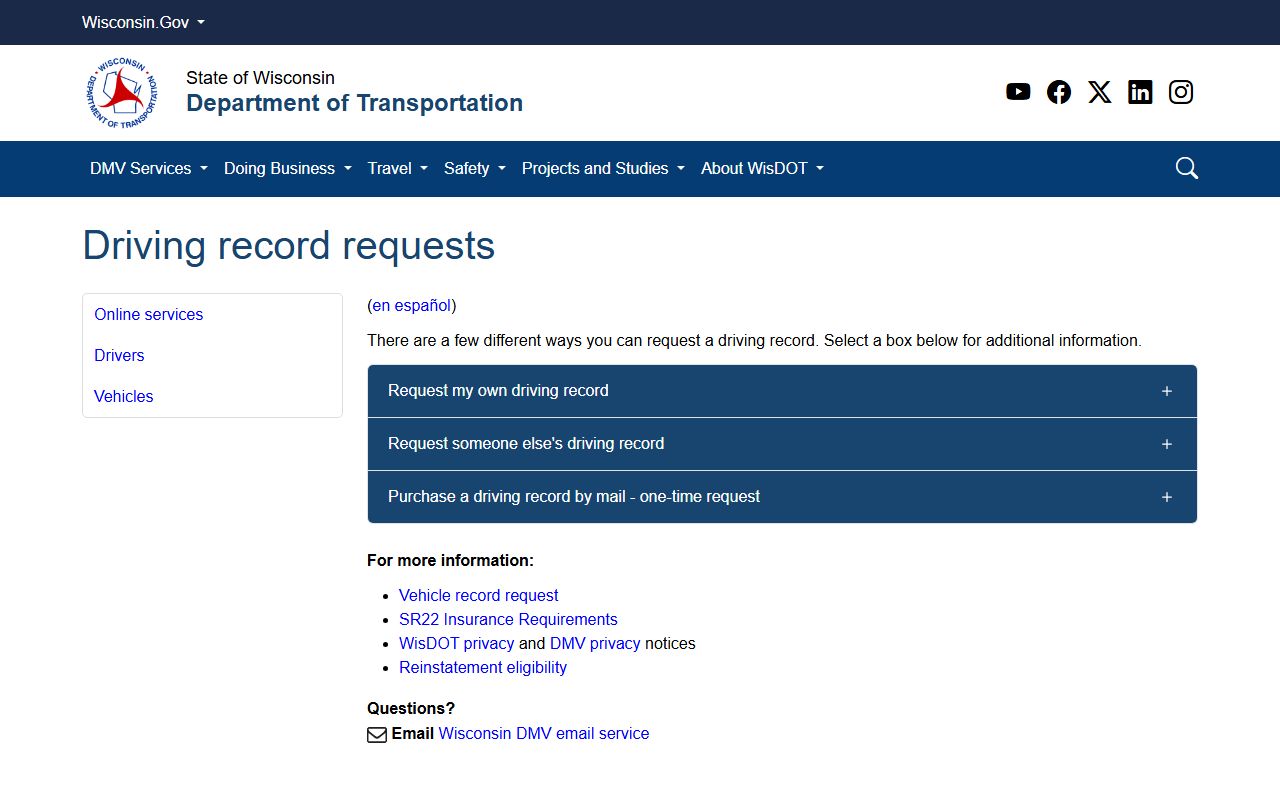
Use the clerk for the court copy and WisDOT for the driver record. The two systems answer different questions.
If the case led to a license hold or refusal issue, the DOT's OWI page explains the suspension side of the record. That is where revocation length, occupational license rules, and SR22 requirements are described in one place.
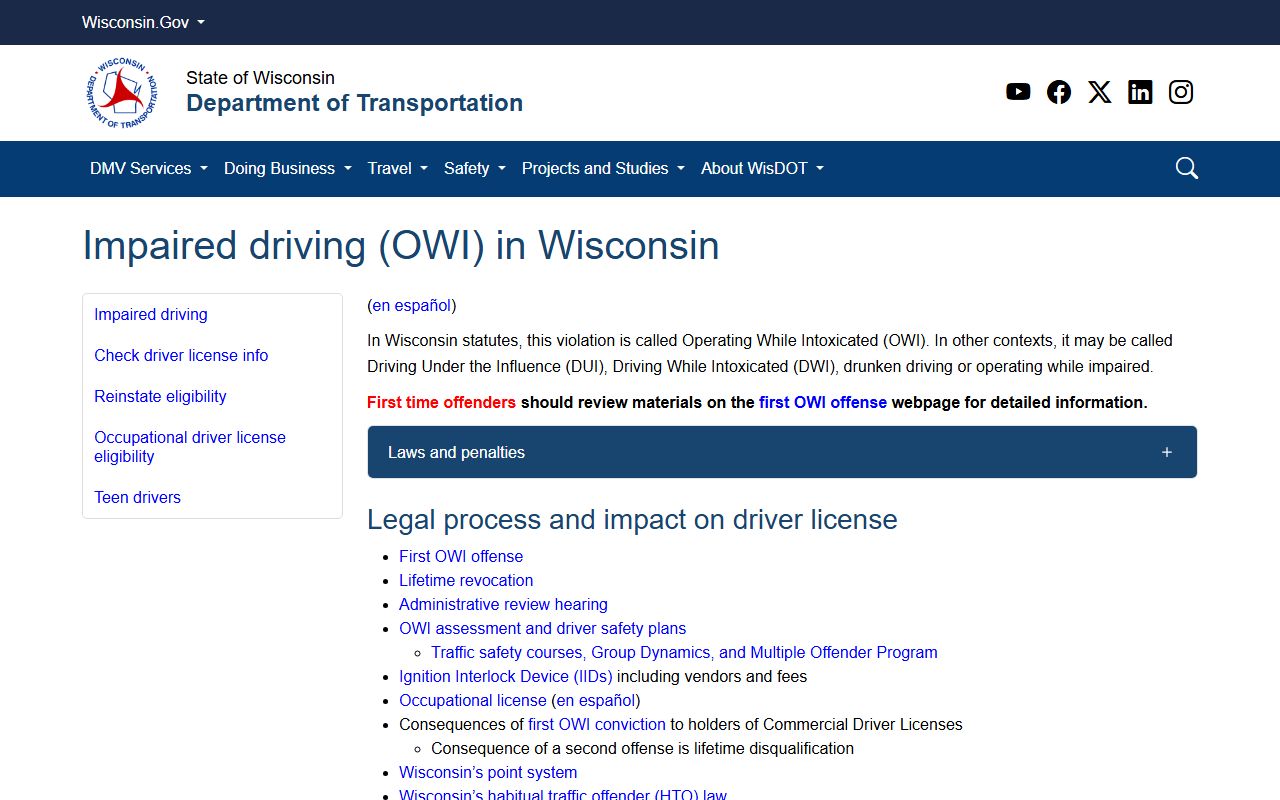
That page is the right companion when the county docket ends and the license question begins.
Marquette County Sheriff and DA
The Marquette County Sheriff's Office provides law enforcement services for the county. Sheriff's sales information is available online, and PREA compliance information is maintained. For DUI records, the sheriff matters because the arrest report, the stop, and the booking trail usually begin with the law enforcement side of the case. If a record request needs a report number or a basic arrest reference, the sheriff's office is the local office that can help identify that path.
The Marquette County District Attorney prosecutes criminal cases including OWI offenses. The Victim/Witness Assistance program is available, and the worthless check program is administered through the office. That combination matters because the DA is the office that moves the case forward after arrest, while victim and witness services help people track hearings and outcomes. If your Marquette County DUI search turns into a question about charging, it is the DA side of the county process that matters next.
The manifest also includes the state law library drunk-driving image tied to Wisconsin State Law Library Drunk Driving. That page is a better place to read the law once you know the case exists.
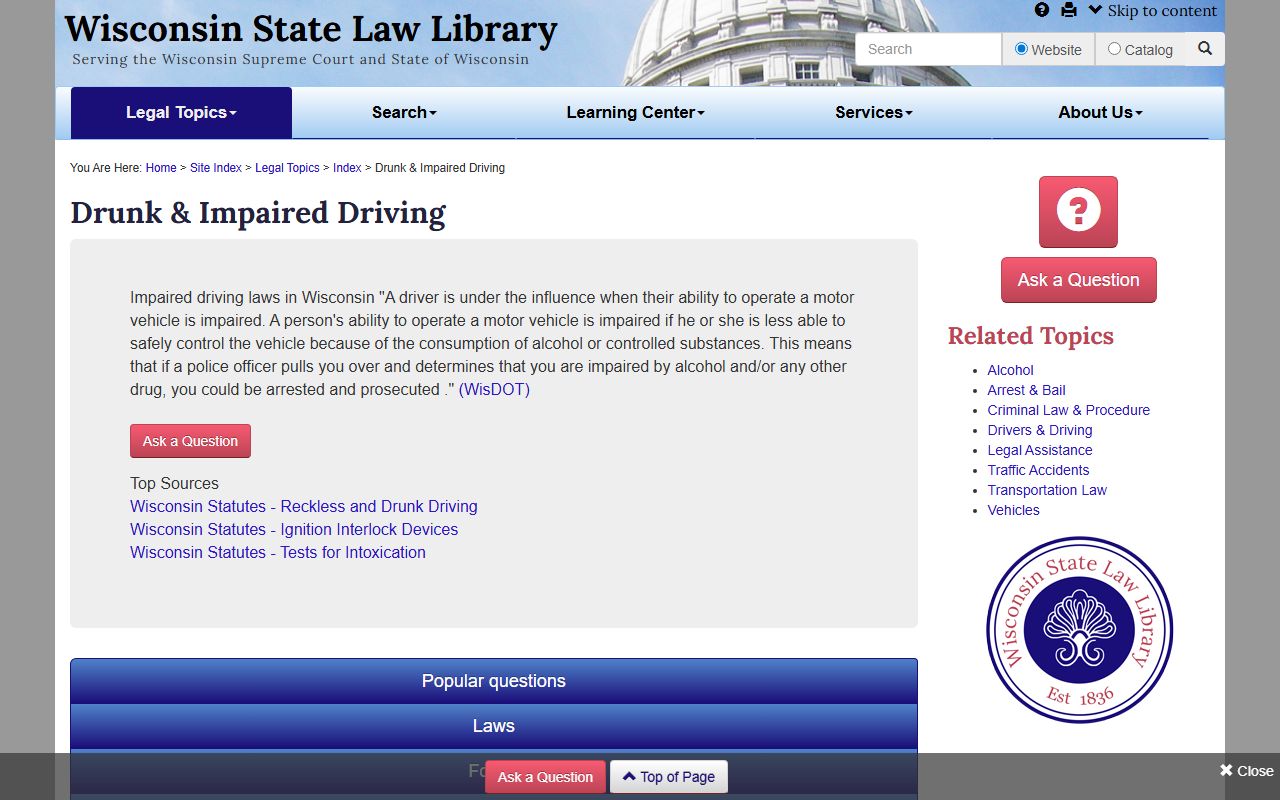
It is a legal research tool, not a county file, but it helps explain the statutes and forms that come up after the search.
The manifest also includes the DOJ prosecution-guidelines image tied to Wisconsin DOJ OWI prosecution guidelines and the DOJ criminal-history image tied to DOJ Crime Information Bureau. Those state references help when you need broader background or sentencing context.
The DOJ page is useful when you want to understand how the county case fits statewide enforcement and charging practice.
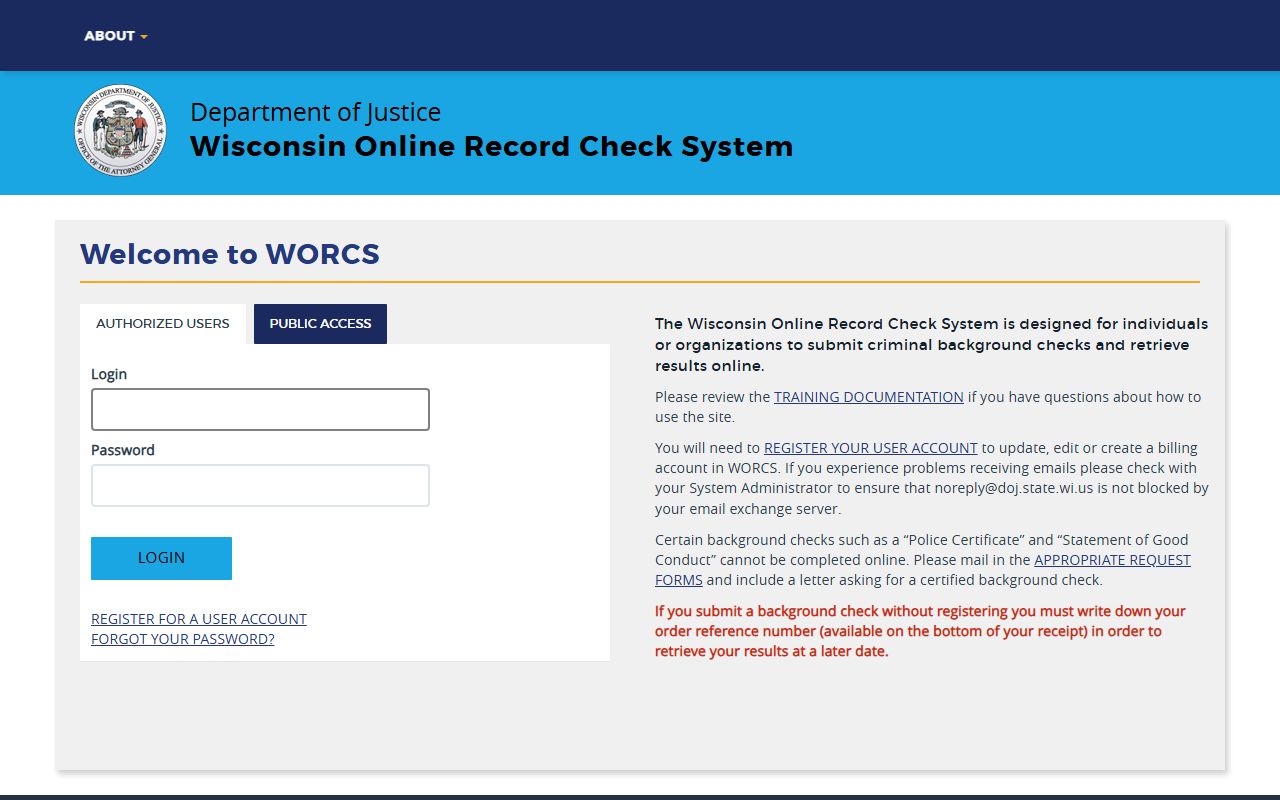
The Crime Information Bureau is the statewide criminal-history source, so it is a good follow-up when a local DUI search expands.
Driver Records and OWI Context
Wisconsin driving records contain the driver's license history, including traffic violations, suspensions, revocations, and OWI convictions. The DOT keeps the record for at least five years, and OWI convictions remain on the record for life, with a minimum retention period of 55 years. The DOT charges $5 per record when you request it online or by mail. Third-party requesters need the driver's written consent on the MV2896 form.
That matters because a Marquette County DUI case can create both a court record and a DOT record. The court file tells you what happened in the case. The DOT record tells you what happened to the license. If an implied-consent refusal or OWI conviction triggered a revocation, the state suspension page explains the license side of the result. If the case involved a crash, the DOT crash records system can also provide the accident side of the file.
The manifest also includes the Wisconsin State Patrol DUI enforcement image tied to Wisconsin State Patrol DUI enforcement. It is a good final reference when the case began with a traffic stop on a state road or highway.
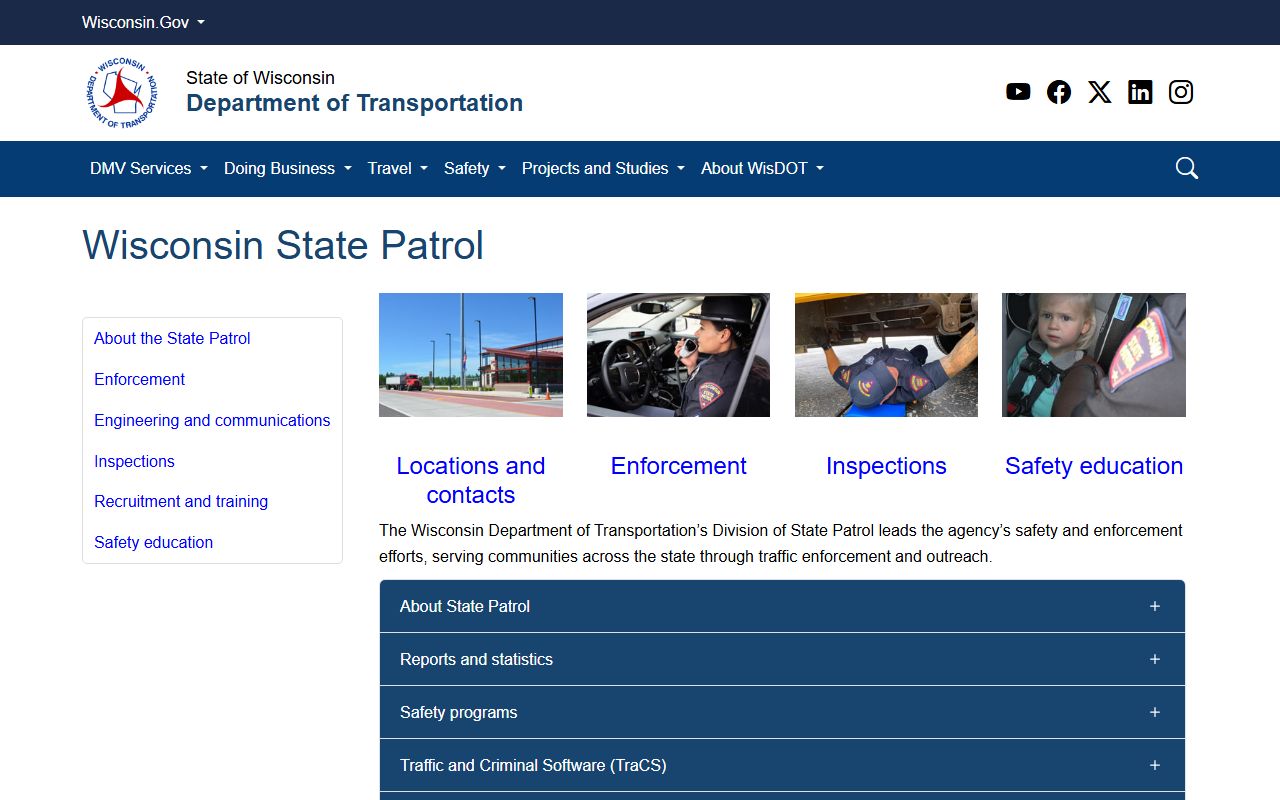
That image closes the loop between the stop, the court file, and the driver record. It is the enforcement side of the same story.
The DOT crash records system is another useful follow-up if the arrest came from a collision. The record explains how the crash report, the traffic citation, and the court case can overlap without being the same record.
For the statutes behind the search, Wisconsin's OWI law is set out in Wis. Stat. § 346.63, and refusal consequences are tied to Wis. Stat. § 343.305. Those links are the legal frame for the county case file and the driver record that follows it.