
Shawano County DUI Records Lookup
Shawano County DUI Records usually begin with WCCA, then move to the clerk of courts when you need the file or a certified copy. That matters because the docket, the court file, and the driving record are different records. Shawano County also shares a circuit court arrangement with Menominee County, so the hearing location and the record office can both matter. This page keeps the county offices and the state tools together so you can confirm the case, find the right office, and avoid treating a docket line like the full record.
Where Shawano DUI Records Start
The Shawano County Clerk of Courts is located at the Shawano County Courthouse, 311 N. Main St., Shawano, WI 54166. The court has two Circuit Court Branches. Branch I, Judge Katie Sloma, handles probate, guardianships, juvenile, adoptions, traffic, civil, criminal, and small claims. Branch II, Judge William F. Kussel Jr., handles criminal misdemeanors and felonies, divorces, paternity, traffic, conservation, juvenile, civil, and small claims. Office hours are Monday through Friday, 8:00 a.m. to 4:30 p.m., closed 12:00 to 1:00 p.m. Public access terminals are available. That is the first county stop when a Shawano DUI search moves beyond WCCA.
The county clerk office handles record keeping for the circuit court, so the county file is the place to go when you need the complaint, the judgment, or another filing from the case. WCCA can confirm the docket, but the clerk is the office that can issue the actual record. That matters because a DUI case may appear simple online while the file itself holds the paperwork you need for another office or a later license issue.
The county image in the manifest ties to Shawano County Government, and that is the local visual anchor for the page.
Use that county reference with the clerk office when you need the local file rather than a docket summary.
How Shawano County DUI Searches Work
The first statewide search tool is Wisconsin Circuit Court Access. WCCA gives free public access to case summaries, docket entries, and party details for Shawano County circuit court matters. The system is combined with Menominee County case information because of the shared judicial arrangement. It includes criminal OWI cases, civil matters, family court, and traffic violations. You can search by name or case number and quickly see whether the case is open, closed, or still moving through the court. That is usually enough to confirm whether a Shawano County DUI record exists before you call the clerk.
WCCA is a docket system, not a full document archive. It shows the case history, but not the full filings. If you need the complaint or a certified copy, the clerk of courts keeps the official file. Cases filed after the CCAP rollout usually have fuller electronic detail, while older cases may be limited. The practical search sequence is simple. Check WCCA first, then use the clerk office for the file itself.
The manifest also includes the state WCCA image tied to Wisconsin Circuit Court Access. That image fits the start of the search path.
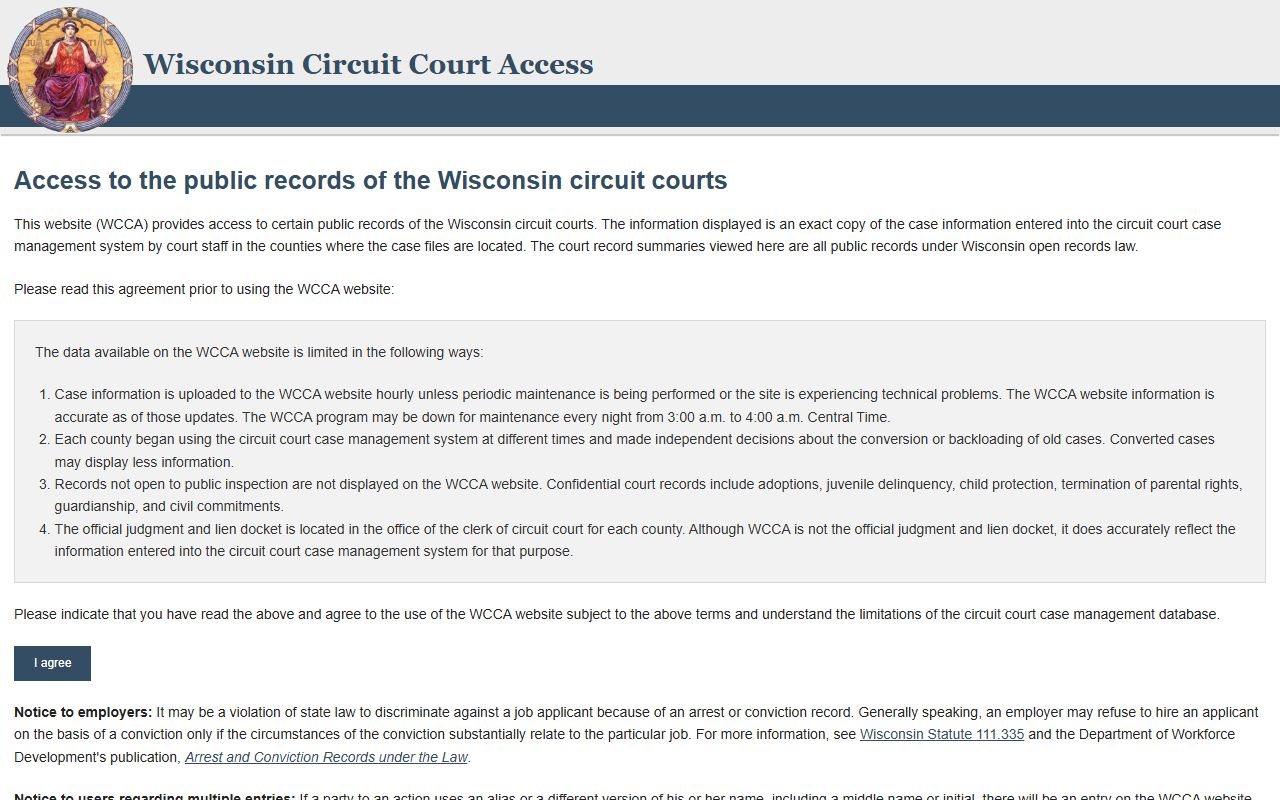
Use the docket to identify the case, then move to the clerk when you need the paper record or a certified copy.
The page also uses the eCourts portal image tied to Wisconsin Court System eCourts. That resource helps when the search turns into a forms question or a filing question.
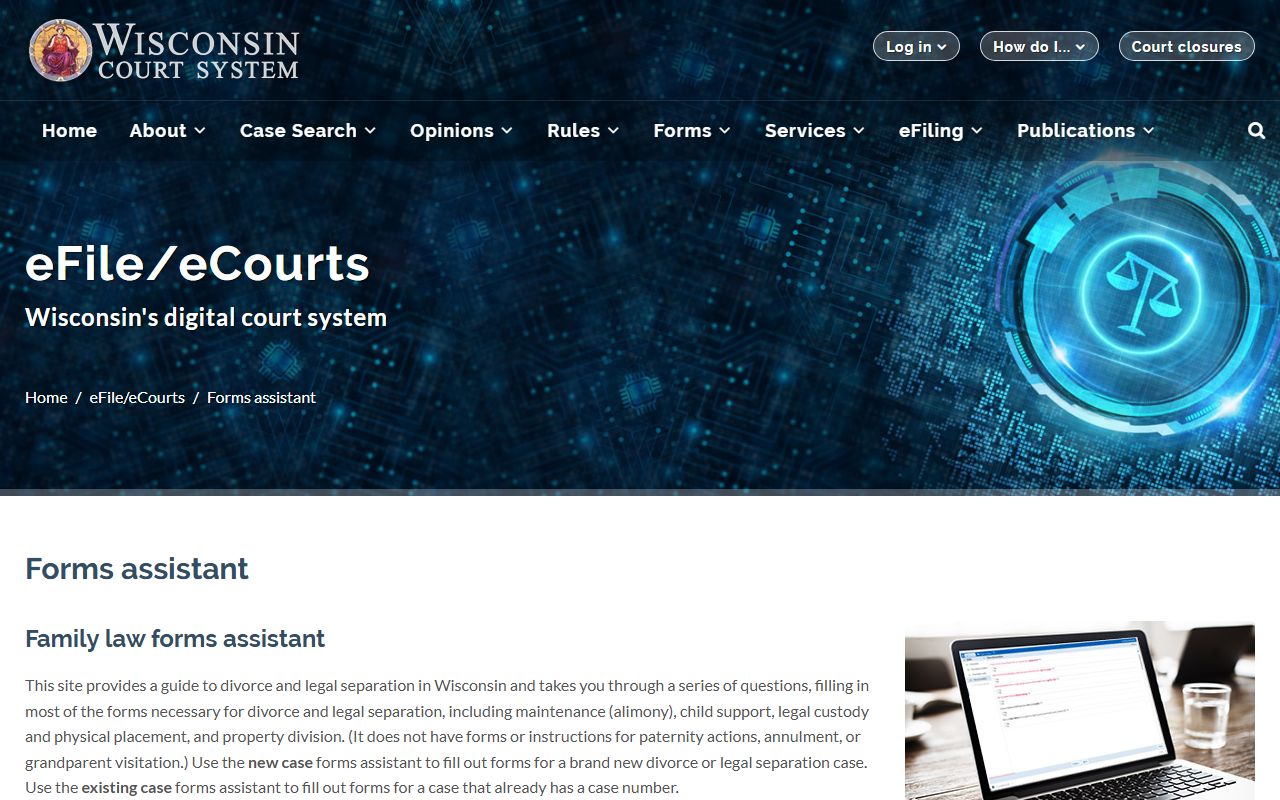
For self-represented users, eCourts is the bridge between the public docket and the paperwork that follows.
Shawano County Sheriff and DA
The Shawano County Sheriff's Office provides law enforcement services, jail operations, and arrest records available through request. That makes the sheriff office important when a DUI case began with a stop, an arrest, or a booking. If the request needs an incident report or a custody reference, the sheriff office is the county place to start. It is a different record from the court file, but it often gives the first clue about what happened.
The Shawano County District Attorney prosecutes criminal cases including OWI offenses occurring in Shawano County. That office is the charging side of the county process. If a case is still open, the DA office is the place that moves the criminal matter forward even though the clerk keeps the official court file. For a DUI search, that distinction matters. The clerk holds the docket and record. The DA handles the prosecution side.
The county law and public-records path is also easier to read when you have statewide context. The manifest includes the state law library drunk-driving resource tied to Wisconsin State Law Library Drunk Driving.
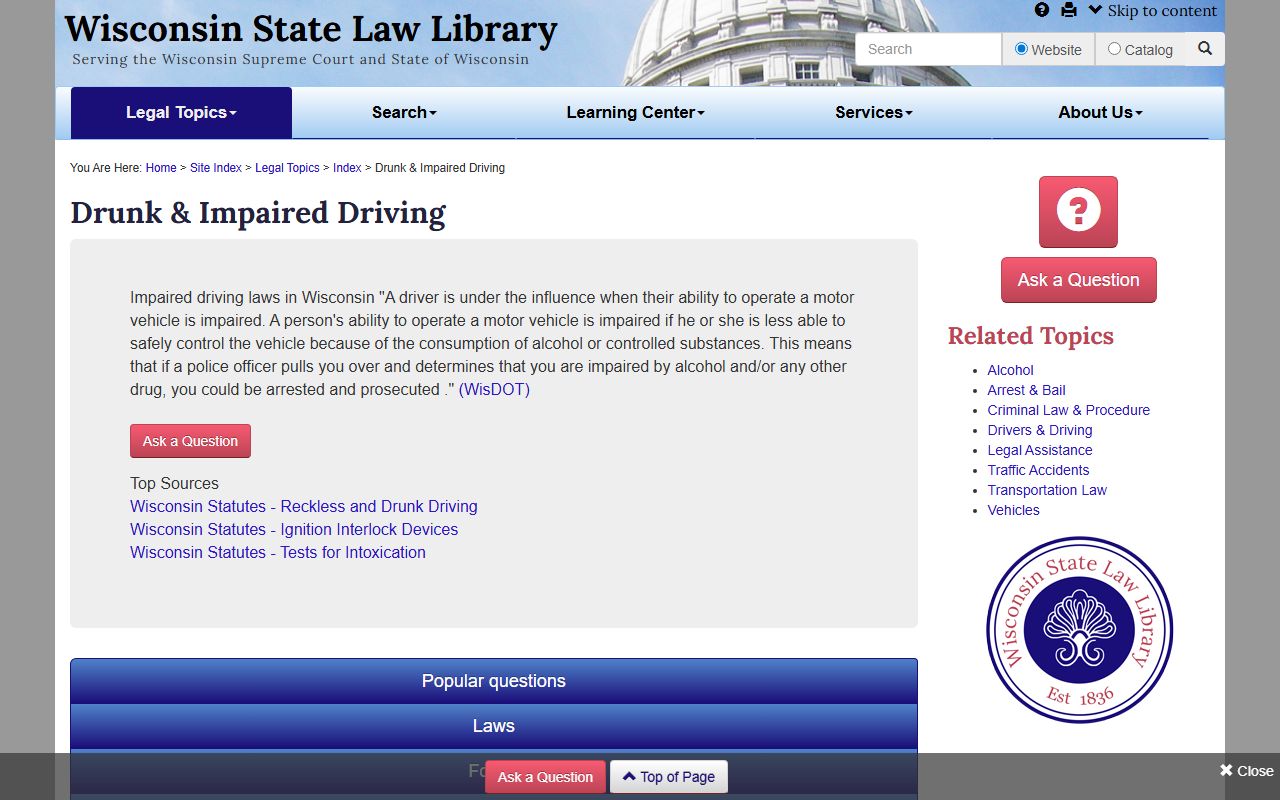
It is a legal research tool, not a county file, but it helps explain the statutes and forms that come up after the search.
The page also uses the DOJ criminal-history image tied to DOJ Crime Information Bureau and the DOJ prosecution-guidelines image tied to Wisconsin DOJ OWI prosecution guidelines. Those state references help when you need broader background or sentencing context.
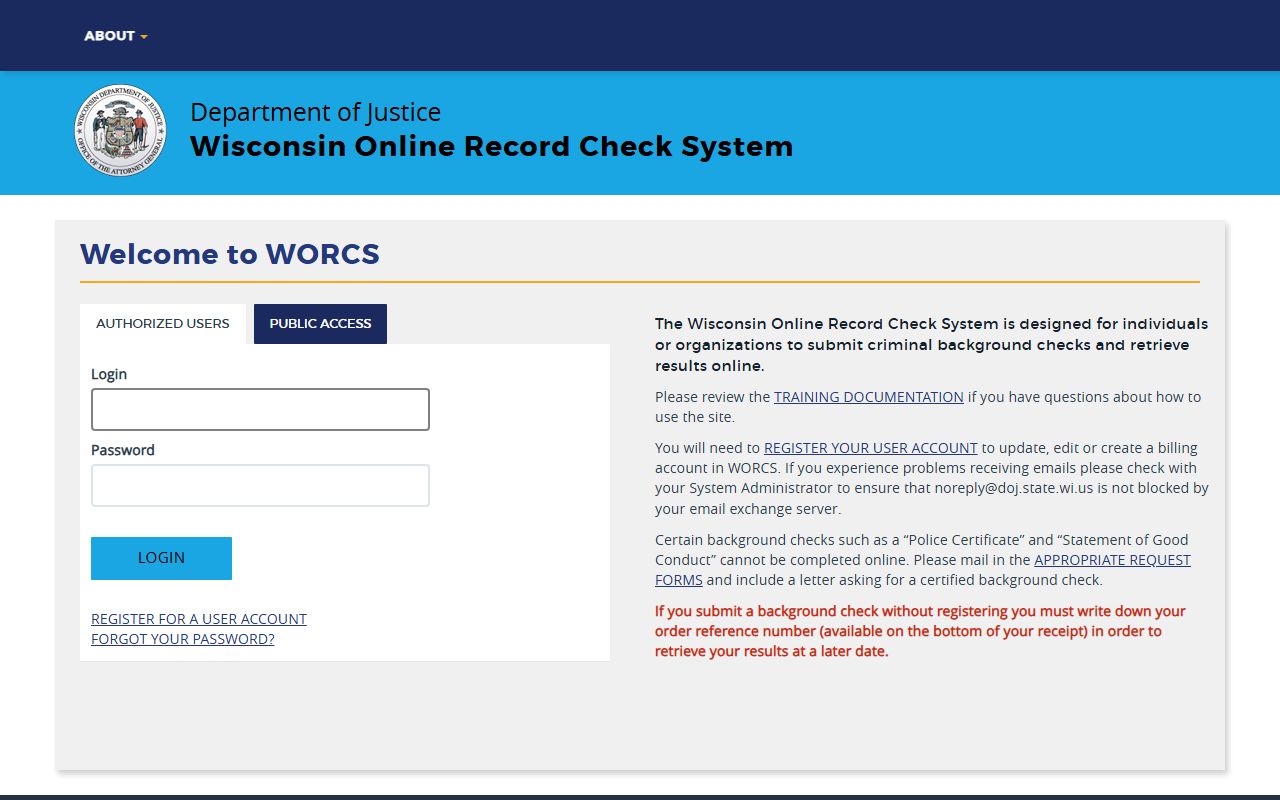
The Crime Information Bureau is the statewide criminal-history source, so it is a good follow-up when a local DUI search expands.
The DOJ page is useful when you want to understand how the county case fits statewide enforcement and charging practice.
Shawano DUI Records and Driver History
Wisconsin driving records contain the driver's license history, including traffic violations, suspensions, revocations, and OWI convictions. The DOT keeps the record for at least five years, and OWI convictions remain on the record for life, with a minimum retention period of 55 years. The DOT charges $5 per record when you request it online or by mail. Third-party requesters need the driver's written consent on the MV2896 form. That is why the court file and the driving record are separate requests, even when they come from the same Shawano case.
The page also uses the WisDOT driving-record request image tied to WisDOT driving record requests. That matters because the court file and the driver history are separate records, even when they come from the same DUI event.
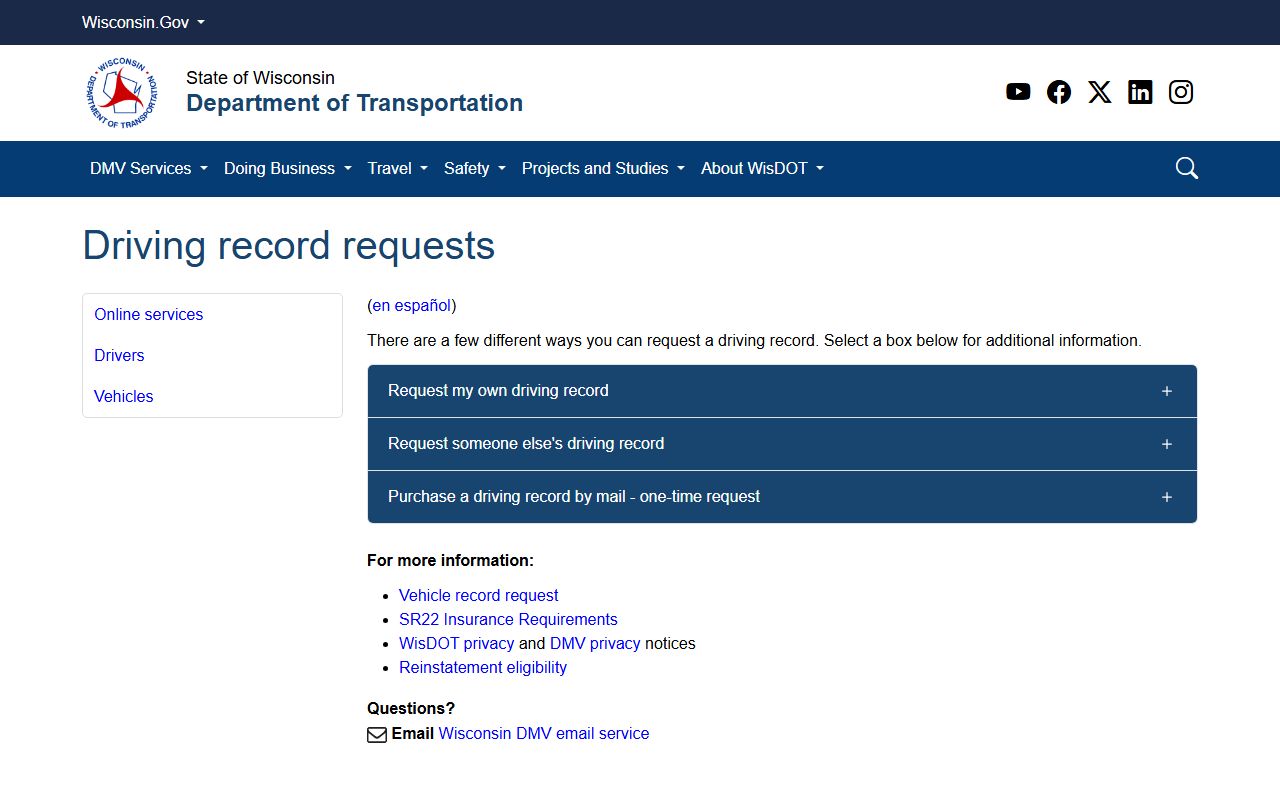
Use the clerk for the court copy and WisDOT for the driver record. The two systems answer different questions.
If the case led to a license hold or refusal issue, the DOT's OWI page explains the suspension side of the record. That is where revocation length, occupational license rules, and SR22 requirements are described in one place.
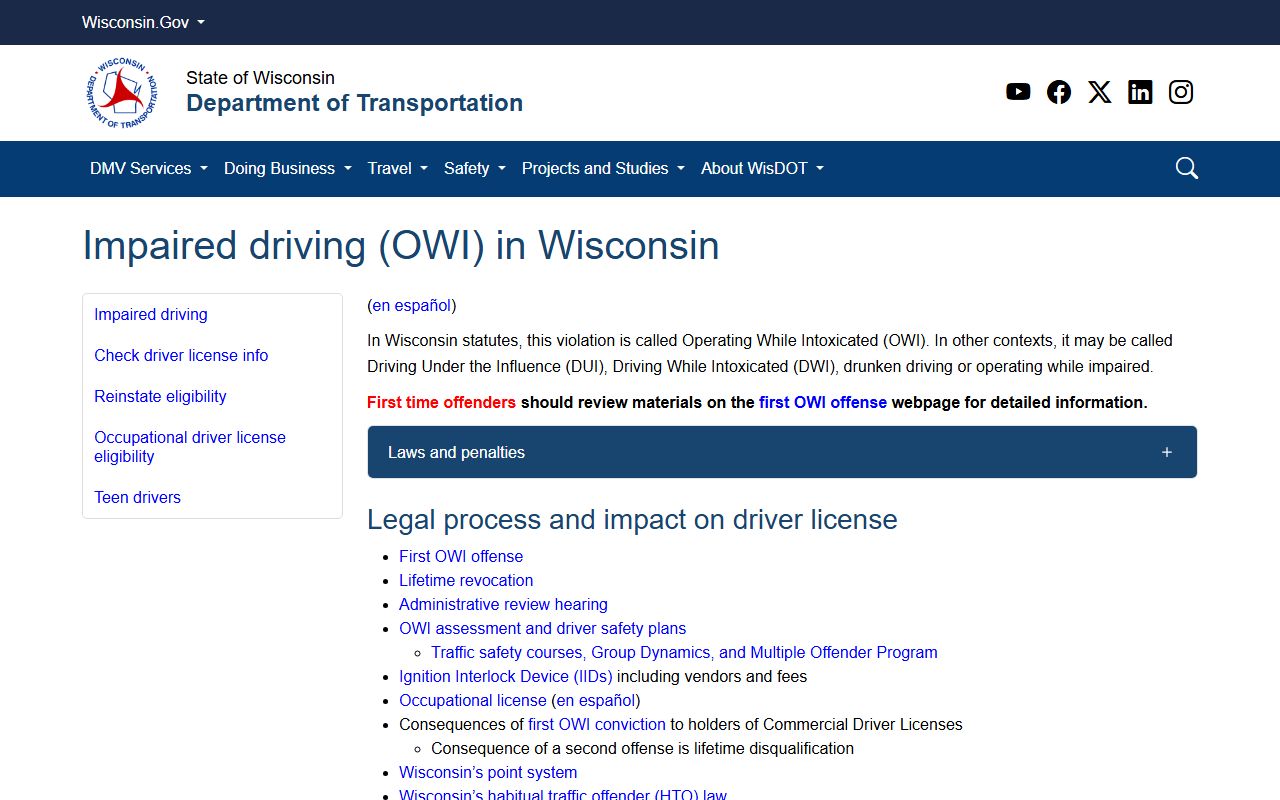
That page is the right companion when the county docket ends and the license question begins.
For the legal frame, Wisconsin's OWI law is set out in Wis. Stat. § 346.63, and refusal consequences are tied to Wis. Stat. § 343.305. Those links explain the county case and the driver record that follows it. The DOT crash records system is also useful if the arrest came from a collision, because the accident report is another separate record in the trail.